

1. Understanding Quadriplegia
Quadriplegia, also called tetraplegia, describes paralysis or significant loss of movement affecting all four limbs and the torso. It can result from a spinal cord injury or certain neurological conditions. The term describes a broad range of needs; it does not, by itself, indicate how much movement, sensation, or independence a child may have.
The effects depend on the cause and level of neurological involvement. Some children may also need support with breathing, swallowing, communication, bladder or bowel routines, or other health needs. Their care should be based on an individualized assessment by their medical team.
For parents, a diagnosis can introduce new routines, equipment, and decisions about support. A written plan developed with the child’s clinicians can clarify daily care tasks, who is responsible for them, and whom to contact if the child’s condition changes. This guide offers general information and is not a substitute for medical advice.
2. What Home Support Can Look Like Day to Day
Home care should reflect the child’s abilities, clinical needs, preferences, and care plan. The exact routine varies. A rehabilitation physician, pediatrician, nursing team, and relevant therapists can help the family determine which supports are appropriate.
Mobility, positioning, and adaptive equipment
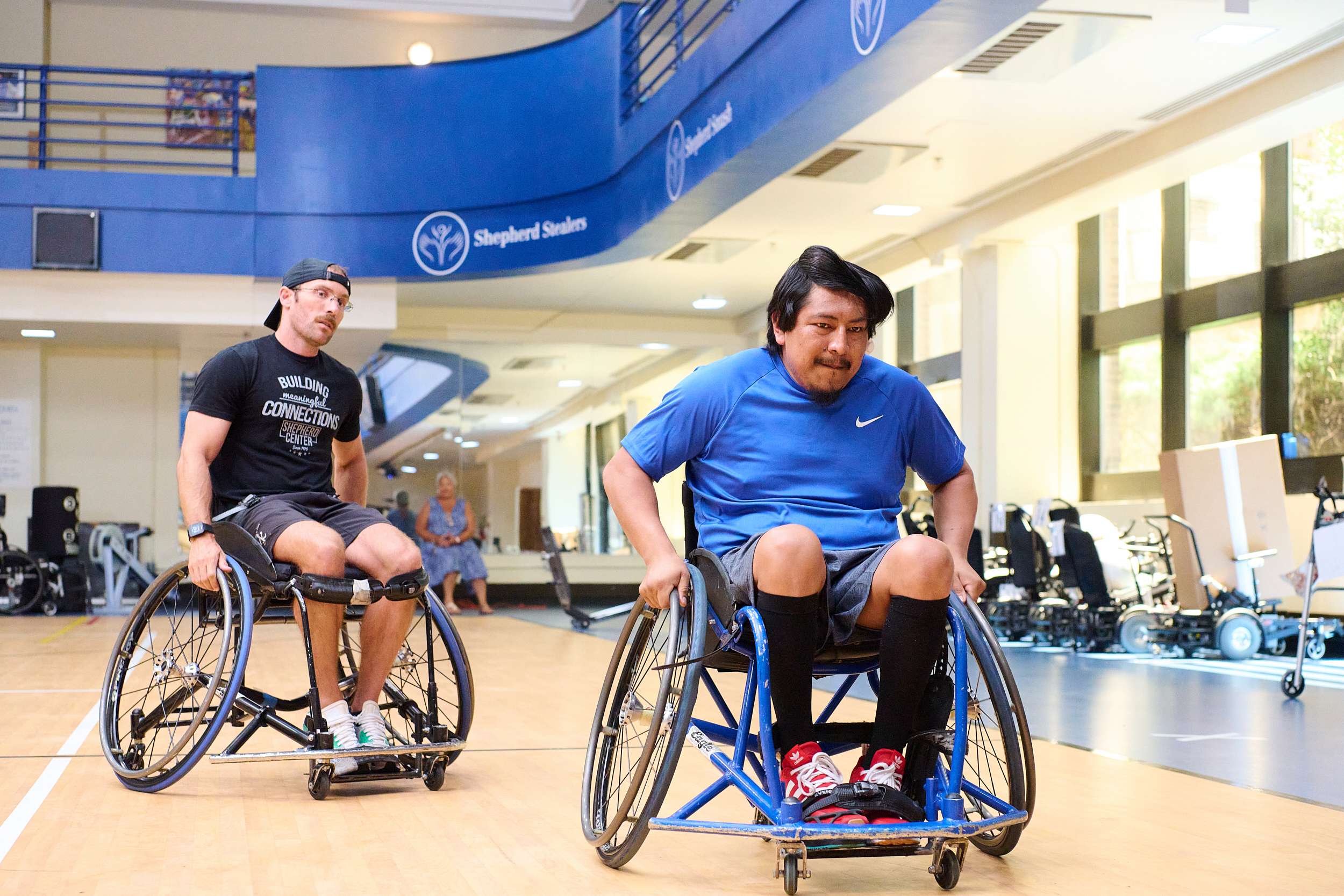
Physical therapy may help address mobility, positioning, range of motion, and other goals set by the child’s care team. Depending on the child’s needs, adaptive equipment may include a wheelchair, braces, a seating system, transfer aids, or assistive devices for movement and communication.
Equipment should be selected and fitted with qualified professionals. Families can ask the care team whether a home assessment is appropriate and what changes could support safe movement through the home. Follow the clinician’s instructions for using equipment and report changes in fit, comfort, or function.
Breathing, nutrition, and daily health routines
Some children need respiratory support or monitoring. Others may need help with eating, drinking, or meeting nutritional needs. Follow the child’s prescribed plan for any respiratory equipment, feeding support, or dietary recommendations. Do not change treatments, equipment settings, or feeding instructions without guidance from the appropriate clinician.
Ask the medical team to explain which changes require a call to the care provider and which require urgent help. Keep emergency instructions and relevant contact information easy for caregivers to find.
A home routine may also involve skin checks, safe positioning, hygiene, and any prescribed bladder or bowel care. The child’s clinical team should show caregivers how to perform tasks safely and explain when to report concerns.
Training for parents and other caregivers
Caregiver training helps families and in-home caregivers follow consistent routines. Depending on the child’s plan, training may cover transfers, positioning, equipment use, prescribed respiratory or nutritional support, medication routines, and recognizing signs that should be reported.
Ask each caregiver to demonstrate important tasks and clarify who should be contacted if a concern arises. Keep an up-to-date care plan, medication list, emergency instructions, and schedule accessible to authorized caregivers.
3. Onekap Services and the GAPP Program
Onekap Healthcare Solution, LLC provides private home health assistance, including one-on-one consultations to help match families with caregivers based on their needs. Our private home healthcare services are designed around individualized care plans, privacy, and comfort at home.
Depending on the child’s needs and the services arranged, support may include skilled nursing at home, private duty nursing, personal or companion care, and specialty care coordination. We can also support coordination with therapy services, caregiver and family training, and advocacy. Medical supply management may help families organize supplies, while OneKap Express provides non-emergency medical transportation. The availability and scope of services depend on the individual plan and applicable requirements.

For Georgia families, the Georgia Pediatric Program (GAPP) may fund medically necessary in-home skilled nursing and/or personal care support for eligible children under 21. The Georgia Department of Community Health states that GAPP services require prior authorization through a Medicaid-approved GAPP nursing agency. Eligibility and authorized services depend on the child’s circumstances, clinical documentation, and program review; a diagnosis alone does not guarantee approval.
To explore GAPP, confirm the child’s Medicaid status, ask the treating clinician to document the child’s needs and orders, and contact a Medicaid-approved GAPP agency about assessment and prior authorization. Ask the agency which services may be requested, what documentation is needed, and how it handles staffing and care coordination. Check the Georgia Medicaid GAPP information for program details. Coverage and authorization decisions are made through the applicable Medicaid process.

4. Support Resources
The OneKap Parents & Caregivers Supportive Resource Guide lists these organizations for additional information:
- National: Christopher & Dana Reeve Foundation, christopherreeve.org | (800) 225-0292. The foundation provides information and resources for people living with paralysis and caregivers. Visit its caregiver resource section.
- Georgia: Shepherd Center Spinal Cord Injury Program, shepherd.org | (404) 352-2020. Shepherd Center shares information about spinal cord injury treatment, rehabilitation, and family education. Its MyShepherdConnection spinal cord injury resources cover topics such as daily care, mobility, and medical concerns.
Use these resources to prepare questions for your child’s care team. Follow the child’s clinicians for advice tailored to their diagnosis and care plan.
5. Plan the Next Step
Supporting a child with quadriplegia at home involves coordinating clinical guidance, daily routines, equipment, and caregiver support. Start by asking the child’s medical team to review the home-care plan and identify which tasks require training or skilled assistance. Then discuss available services and, if relevant, the GAPP assessment and authorization process.
Contact Onekap to discuss your family’s needs and arrange a consultation. Call 770-800-6603, email info@onekap.com, or visit www.onekap.com. We are the ones you call when you need a Healthcare Hero.