Managing the complexities of pediatric behavioral health requires a comprehensive clinical strategy that prioritizes the stability and safety of the child. For many families, the transition from institutional or hospital-based care to a home environment is a critical step in long-term health management. At Onekap Healthcare Solution, LLC, we recognize that the home is not merely a residence but a therapeutic environment where routine and specialized support facilitate significant developmental progress.
This guide outlines the technical and practical components of establishing high-quality pediatric home health care. We address the utilization of the GAPP program, the role of private duty nursing, and the impact of skilled in-home caregivers on behavioral stability.
The Clinical Importance of the Home Environment
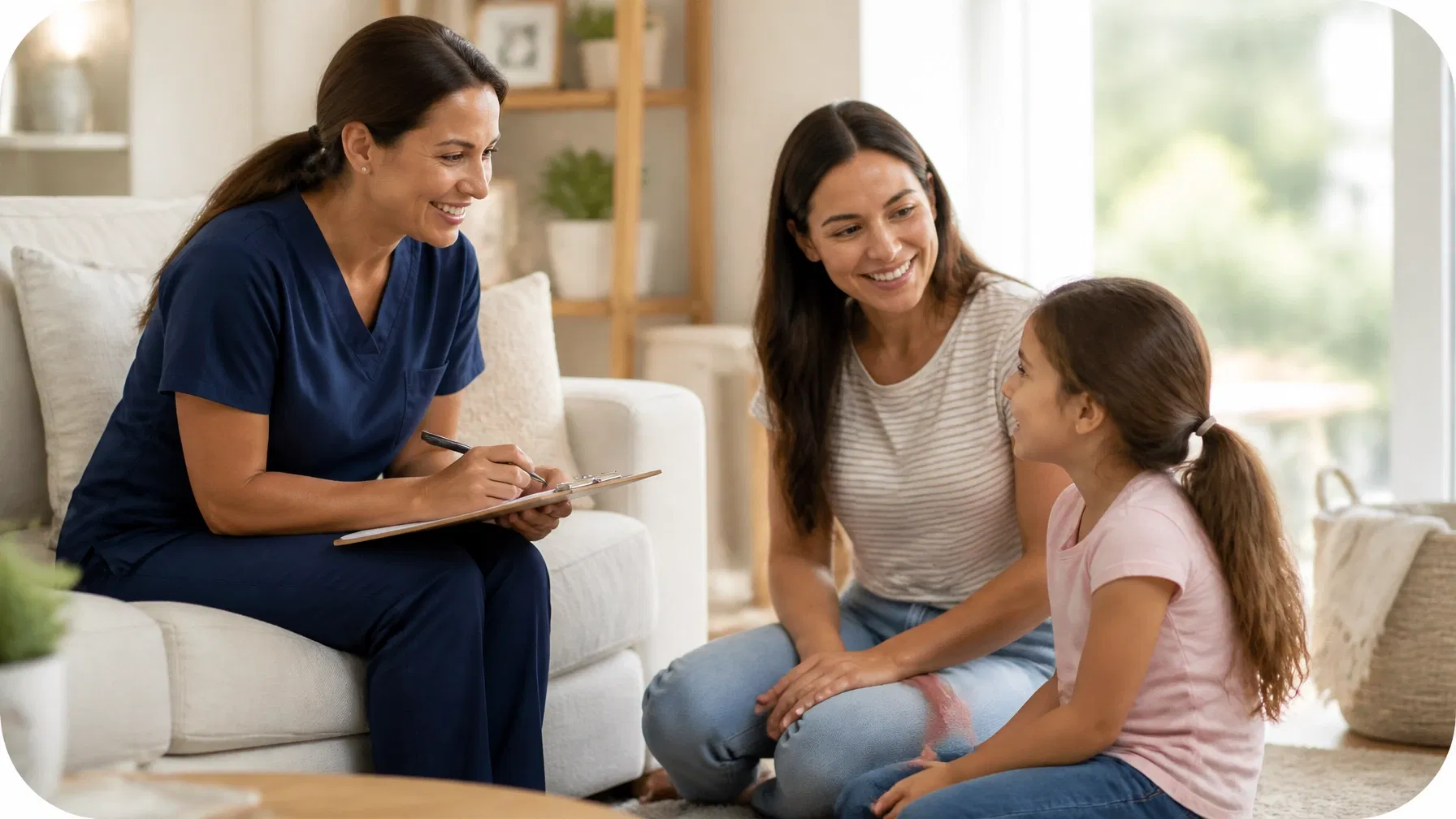
For children with behavioral health needs, the environment is a primary variable in their overall stability. Clinical evidence suggests that familiar surroundings reduce the frequency of sensory overload and anxiety-induced escalations. In-home care allows for the implementation of a highly customized care plan that integrates seamlessly with the child’s existing routines.
Routine and Consistency
Consistency serves as the foundation for behavioral regulation. When care is administered at home, we are able to maintain a rigid yet supportive schedule that includes:
- Standardized medication administration windows.
- Predictable meal and sleep cycles.
- Scheduled therapeutic activities and "non-demand" periods.
By maintaining these structures, we reduce the cognitive load on the child, allowing them to focus on developing coping mechanisms and achieving clinical milestones.

Understanding the Georgia Pediatric Program (GAPP)
Navigating the financial and regulatory landscape of home health assistance is a primary concern for families. The GAPP program (Georgia Pediatric Program) is a critical resource for eligible residents. Managed by the Georgia Department of Community Health, GAPP provides in-home skilled nursing and personal care services at no cost to Medicaid-eligible children.
Eligibility and Behavioral Health
It is important to note that GAPP is designed primarily for children who are "medically fragile." While it is not a standalone behavioral health program, children with behavioral or developmental diagnoses: such as Autism Spectrum Disorder (ASD): often qualify if they also present with complex medical needs. These may include:
- Seizure disorders (e.g., Epilepsy).
- Requirement for tube feeding or tracheostomy care.
- Chronic respiratory conditions requiring oxygen or ventilation.
- Complex medication regimens requiring professional oversight.
We assist families in understanding these criteria to ensure they maximize the benefits available under the GAPP program. For those who do not qualify for GAPP or require additional support, we offer private duty nursing and customized private-pay solutions.
The Role of Private Duty Nursing in Behavioral Stability
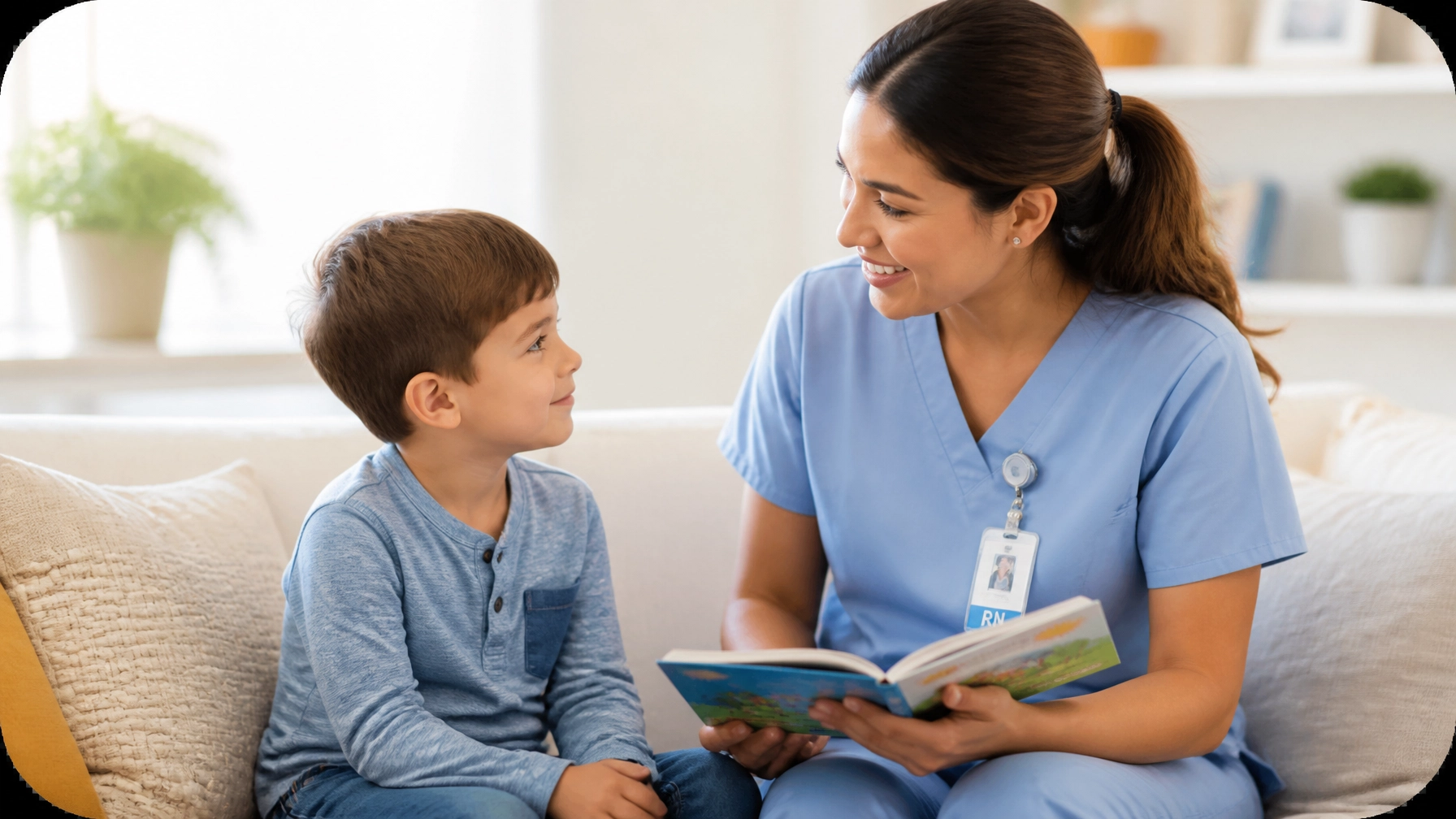
Private duty nursing (PDN) involves the placement of a Registered Nurse (RN) or Licensed Practical Nurse (LPN) in the home for extended shifts. For children with behavioral health needs, the presence of a skilled clinician provides a layer of safety that standard personal care cannot offer.
Medical Oversight and Intervention
Behavioral health challenges are frequently intertwined with physical health status. A skilled nurse is trained to identify the subtle physiological markers that may precede a behavioral escalation. Our nursing staff manages:
- Medication Management: Ensuring exact dosages and monitoring for side effects or adverse reactions.
- Seizure Monitoring: Providing immediate clinical intervention during and after seizure activity.
- Symptom Recognition: Differentiating between a behavioral outburst and a physical symptom, such as pain or gastrointestinal distress.
By placing a skilled professional in the home, we reduce the necessity for emergency room visits and provide the clinical stability required for the child to remain in their natural environment.

Compassionate Caregiver Matching: The Onekap Process
At Onekap Healthcare Solution, LLC, our mission is built on the intersection of skill and deep compassion. We understand that a caregiver's technical proficiency must be matched by an ability to build rapport and trust with the child. Our "one-on-one" consultation process is designed to identify the specific behavioral triggers and preferences of each client.
Rapid Staffing and Specialized Skills
We utilize a rapid staffing model to ensure that families receive support when they need it most. Our recruitment focus is on professionals who possess specific experience in pediatric behavioral health, including:
- De-escalation Techniques: Utilizing non-confrontational methods to manage crises.
- Positive Behavior Supports: Reinforcing desired behaviors through structured praise and reward systems.
- Trauma-Informed Care: Recognizing the impact of previous medical trauma on current behavioral presentations.
Our commitment to privacy and comfort ensures that our presence in your home is supportive rather than intrusive. We operate as "One Team" with "One Mission" to restore peace of mind to the families we serve.
Implementing Environmental Supports at Home
A key component of home health assistance is the optimization of the physical space. We guide families in creating a "low-arousal" environment that minimizes triggers.
Establishing a Calm Corner
A "calm corner" is a designated safe zone where a child can retreat when they feel overwhelmed. This is not used for punishment but as a tool for self-regulation. Essential elements include:
- Soft lighting and reduced auditory stimuli.
- Sensory tools, such as weighted blankets or fidget devices.
- Comfortable seating that provides a sense of enclosure.
Visual Schedules and Cues
Visual aids are essential for children who struggle with verbal processing or transitions. We implement visual schedules that clearly outline the day’s events. This transparency reduces the anxiety associated with the "unknown" and fosters a sense of autonomy in the child.

The Importance of Caregiver Burnout Management
Providing 24-hour care for a child with complex behavioral needs is physically and emotionally taxing. Institutionalizing a child is often a result of caregiver exhaustion rather than a lack of love. Our services provide families with the respite necessary to maintain their own health and the integrity of the family unit.
By integrating in-home caregivers into the family’s support system, parents can reclaim time for self-care, employment, and focus on other family members. This professional support is a vital component of a sustainable long-term care strategy.
Conclusion: Ensuring Continuous, High-Quality Care
The path to behavioral stability is a continuous process that requires a dedicated team of professionals. At Onekap Healthcare Solution, LLC, we are committed to delivering the highest standard of private home healthcare, specifically tailored to the unique needs of pediatric clients.
Whether you are navigating the complexities of the GAPP program or seeking specialized private duty nursing, we provide the expertise and compassion required to help your child thrive at home.
Contact Onekap Healthcare Solution Today
Review our full range of services at www.onekap.com. To begin your personalized consultation and match your family with a skilled caregiver, contact our team immediately. We prioritize your child's safety, your family's privacy, and the restoration of comfort within your home.