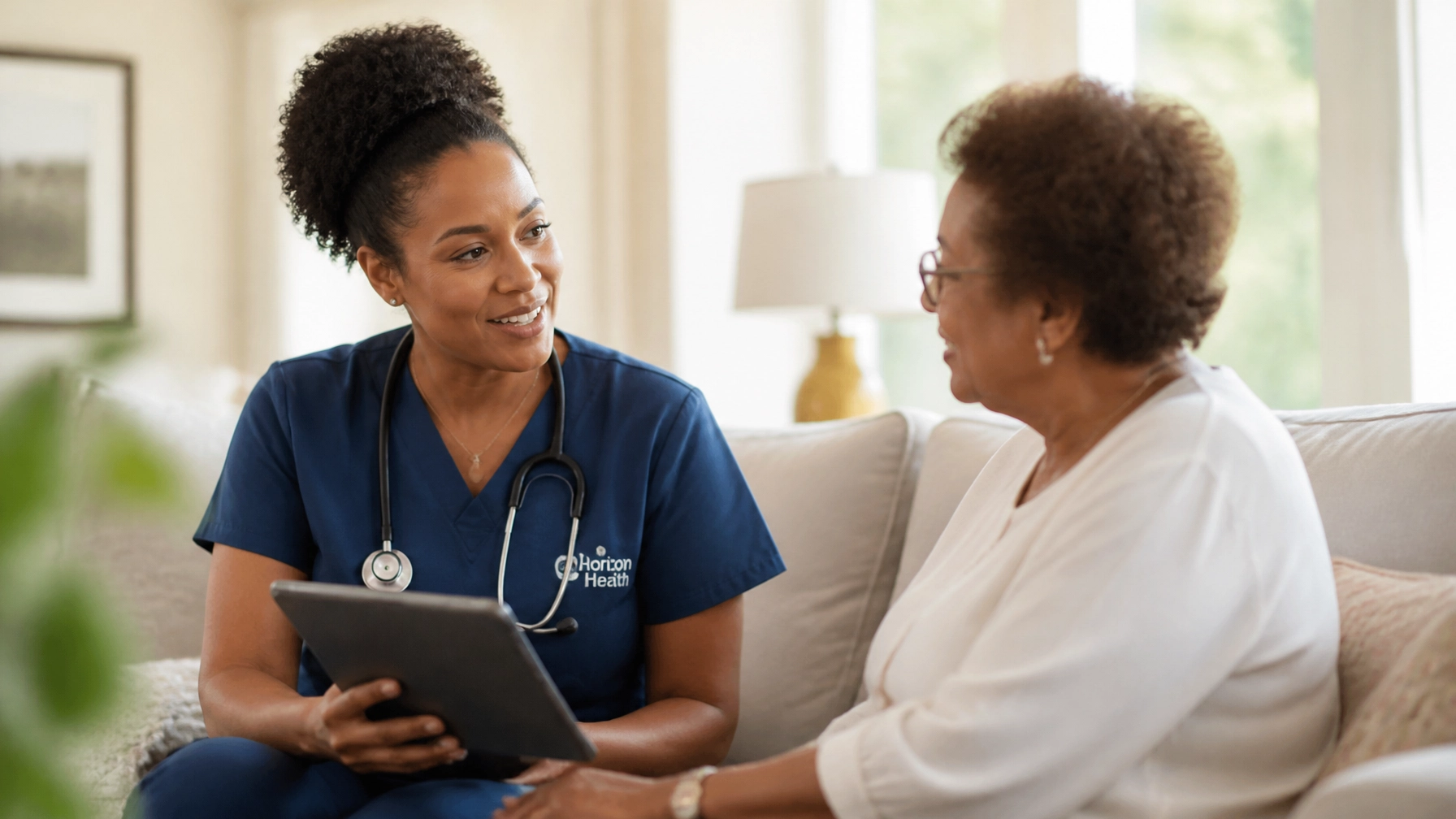
Selecting an in-home caregiver is a critical decision that impacts the long-term health and safety of individuals requiring medical or personal assistance. For families navigating complex programs such as the Georgia Pediatric Program (GAPP) or seeking private-pay solutions to manage caregiver burnout, the evaluation process must be rigorous and objective. This guide provides a comparative analysis of caregiver models and establishes a framework for identifying high-quality home healthcare services.
1. Classification of Home Care Needs
The first stage in the selection process is determining the clinical requirements of the client. At Onekap Healthcare Solution, LLC, we categorize services into distinct tiers to ensure appropriate staffing and regulatory compliance.
Skilled Nursing Services
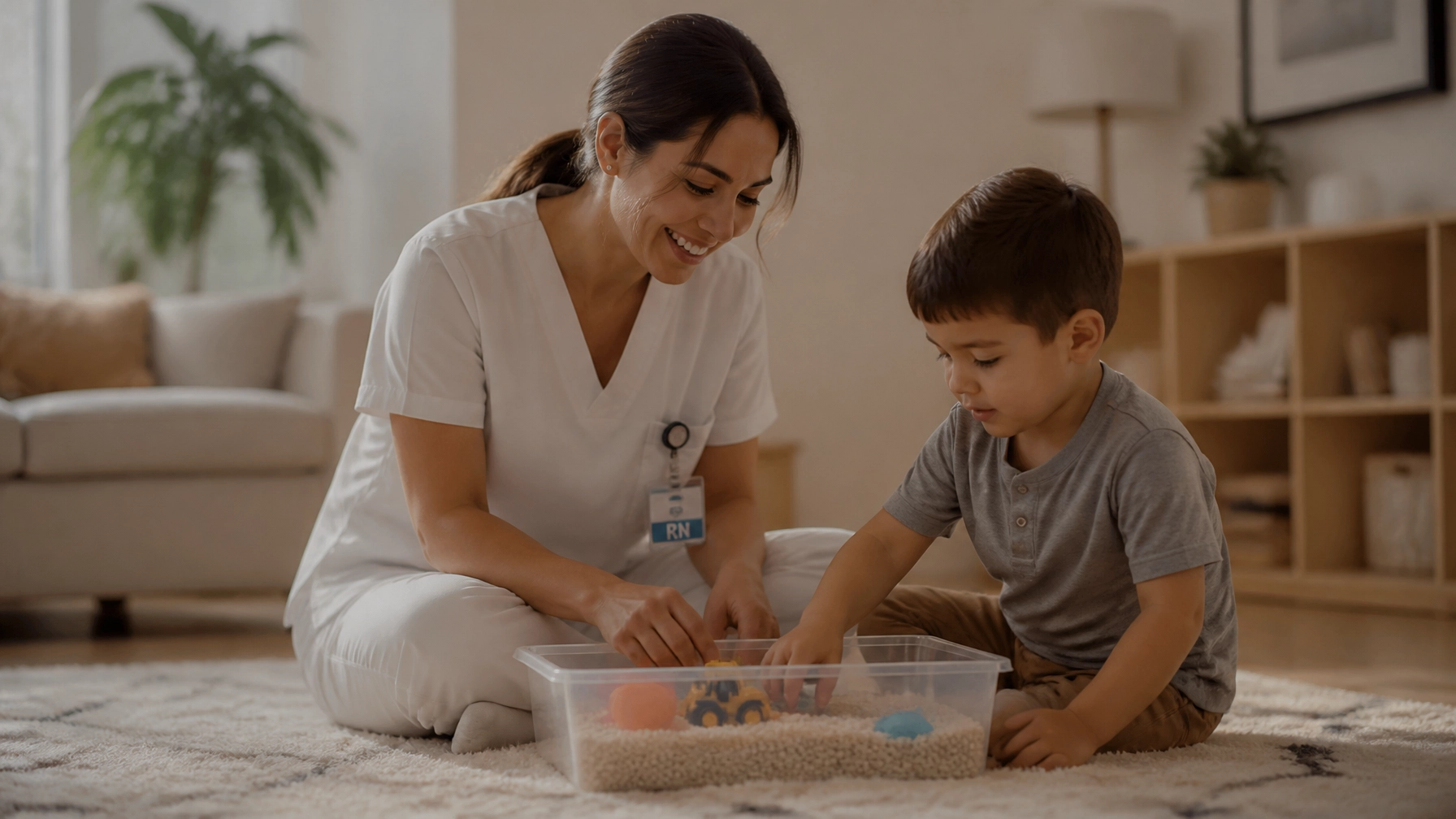
Skilled nursing is required for clients with complex medical needs that necessitate the intervention of a Registered Nurse (RN) or Licensed Practical Nurse (LPN). This includes:
- Tracheostomy and ventilator management.
- Enteral feeding (G-tube) administration and maintenance.
- Complex medication management and seizure monitoring.
- Wound care and post-surgical monitoring.
Personal and Companion Care
Non-medical care, often referred to as personal or companion care, focuses on Activities of Daily Living (ADLs). This service is appropriate for individuals who require:
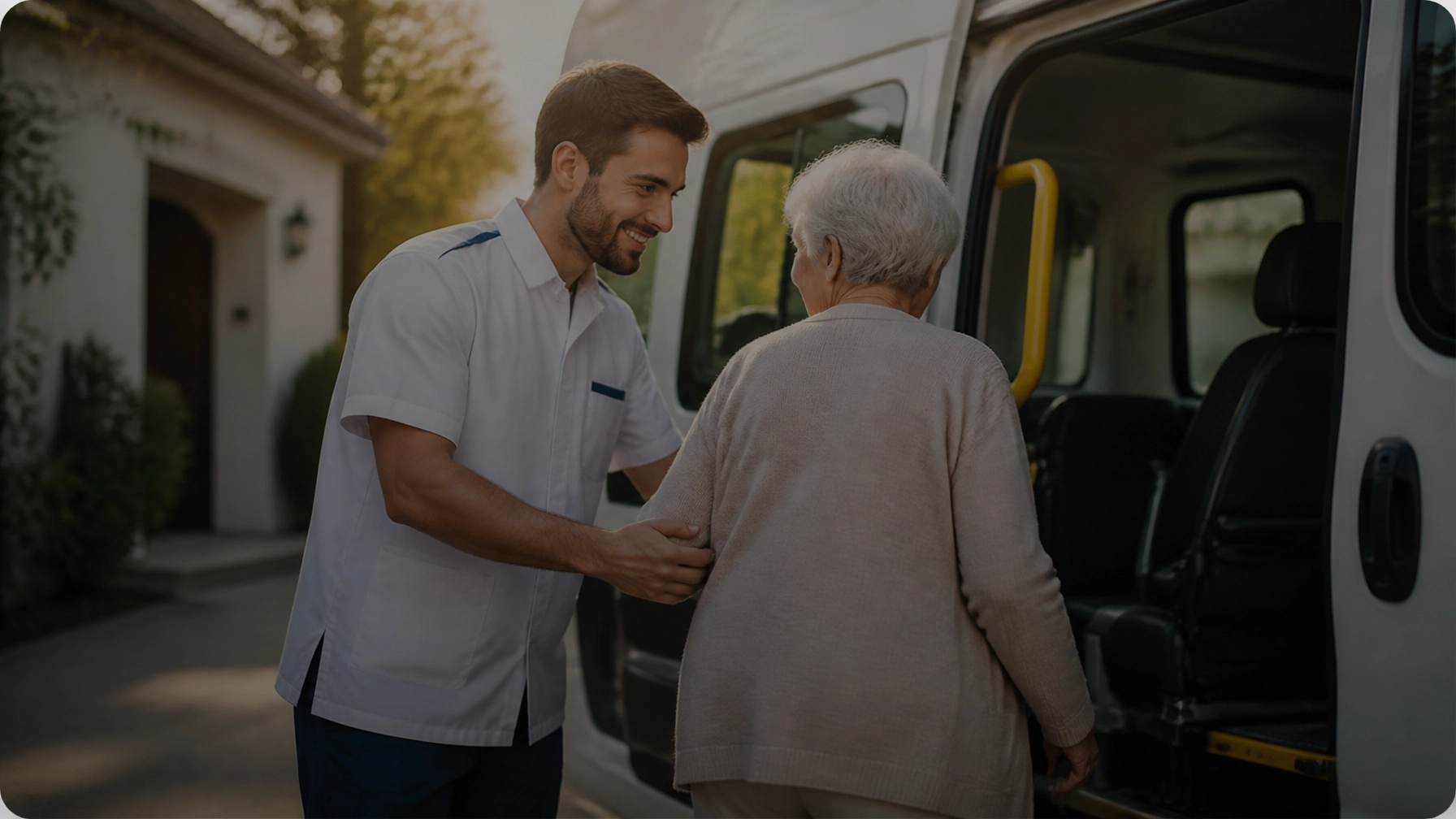
- Assistance with mobility and transfers.
- Bathing, grooming, and personal hygiene support.
- Meal preparation and light housekeeping.
- Supervision for safety and social engagement.
Pediatric Specialization (GAPP)
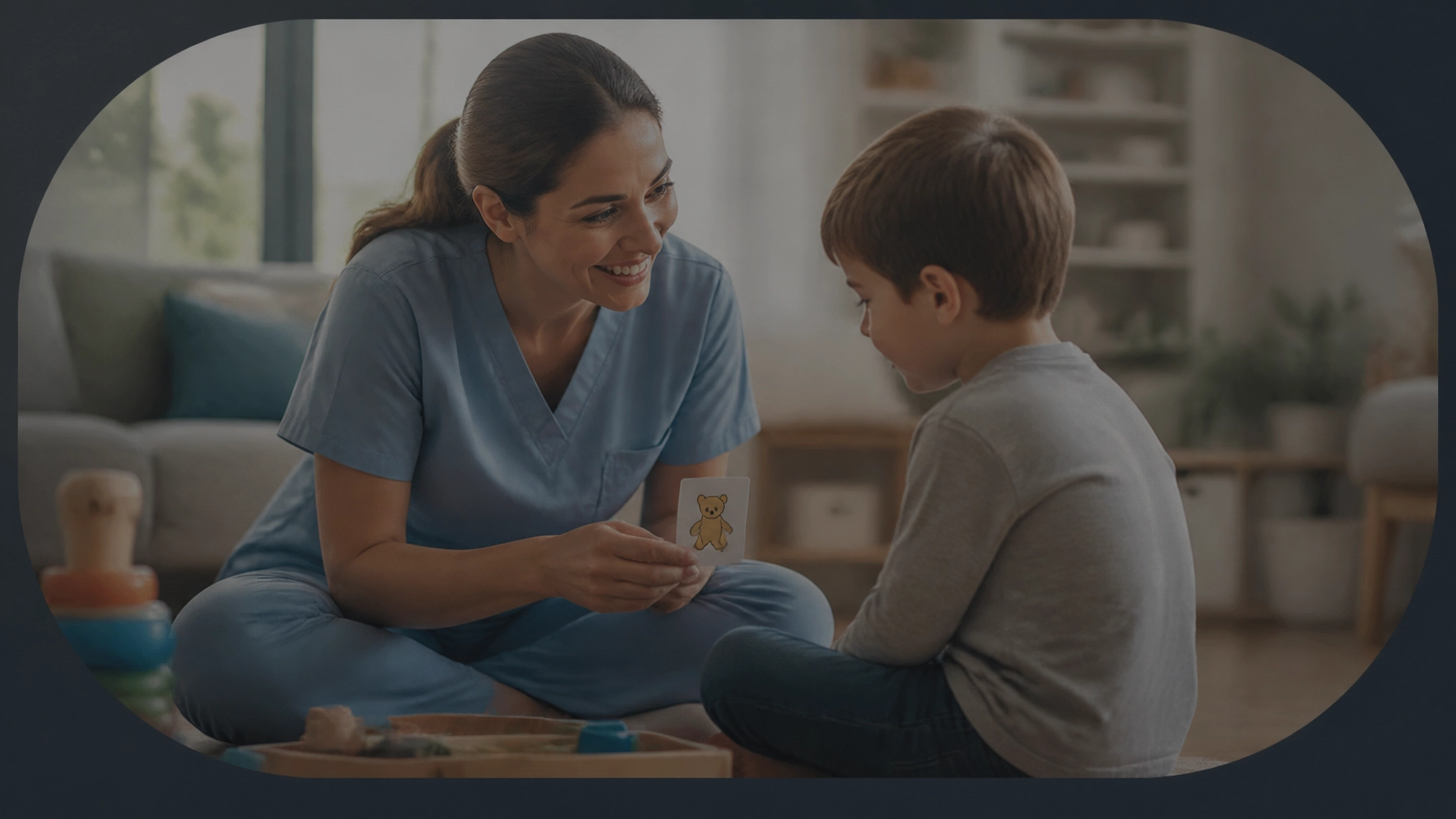
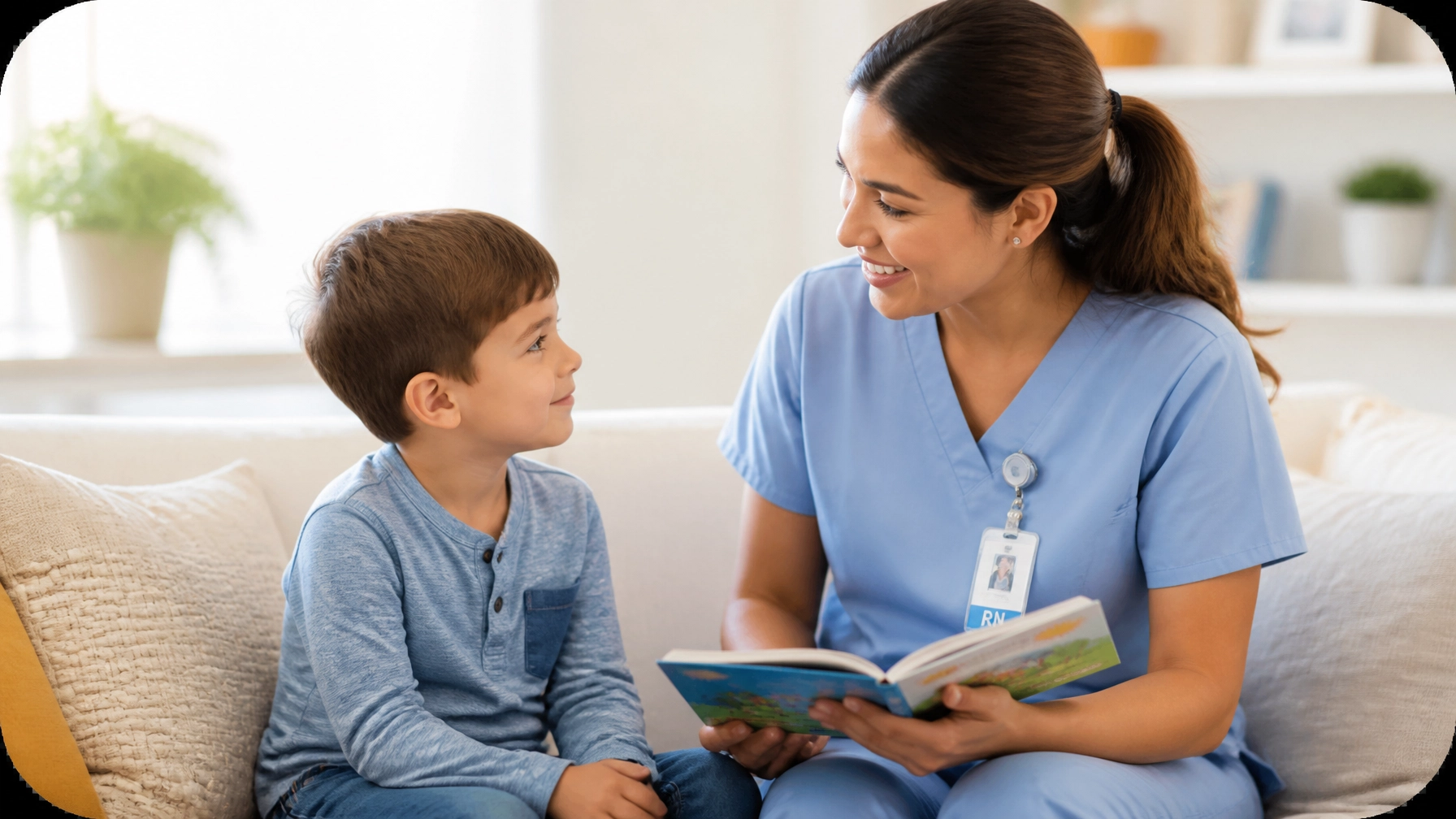
For families participating in the GAPP program, care is specialized for medically fragile children under the age of 21. This requires a provider capable of navigating state-specific regulatory requirements while delivering pediatric-specific clinical expertise.
2. Comparative Analysis: Agency vs. Independent Caregivers
Families must choose between contracting with a licensed home health agency or hiring an independent caregiver. The following table outlines the technical and operational differences between these two models.
| Feature | Home Health Agency (e.g., Onekap) | Independent Caregiver |
|---|---|---|
| Credentialing | Mandatory background checks, license verification, and competency testing performed by the agency. | Primary responsibility for background checks and license verification falls on the family. |
| Liability and Insurance | Agency carries professional liability, workers' compensation, and general liability insurance. | The family may be legally classified as an employer, assuming responsibility for payroll taxes and liability. |
| Supervision | Clinical oversight provided by RN supervisors with regular quality audits. | Supervision is the sole responsibility of the family; no third-party clinical oversight is present. |
| Reliability | Access to a pool of professionals allows for rapid staffing and emergency backup coverage. | No institutional backup system exists; a caregiver's absence leaves the family without support. |
| Customization | Comprehensive care plans are developed by clinical experts to meet specific medical goals. | Care plans are often informal and may lack clinical structure or measurable outcomes. |

3. Key Performance Indicators for Quality Care
When evaluating a provider, we recommend utilizing standardized industry benchmarks to assess the potential for successful outcomes. Objective data should drive the final selection.
Safety Protocols and Risk Mitigation
A high-quality provider must demonstrate established protocols for emergency response and infection control. Families should inquire about:
- Incident Reporting: The process for documenting and addressing medication errors or falls.
- Emergency Preparedness: Clear instructions for managing medical device failures (e.g., ventilator alarms) or sudden changes in clinical status.
- Infection Control: Adherence to standard precautions and hand hygiene to prevent healthcare-associated infections in the home.
Clinical Competency and Specialization
For pediatric care or skilled nursing, general experience is insufficient. We advocate for verifying specific expertise in the client's condition. At Onekap, our one-on-one consultation process matches clients with caregivers who possess verified experience in areas such as behavioral health, specialty care, and school-based skilled nursing.
Reliability and Continuity of Care
Frequent staff turnover disrupts care stability. Prospective providers should be evaluated based on their staffing consistency and the speed of their replacement protocols. Onekap Healthcare Solution, LLC utilizes rapid staffing models to minimize service gaps, ensuring that care remains uninterrupted even during unforeseen absences.

4. The Onekap Methodology: Privacy and Professionalism
We operate with a commitment to maintaining the privacy and comfort of our clients within their own living environments. Our institutional approach focuses on four primary pillars:
- Customized Care Plans: Every client receives a tailored roadmap developed in collaboration with their medical team and family.
- Deep Compassion and Skill: We prioritize the "Onekap" standard, which requires both clinical excellence and the interpersonal skills necessary for long-term home-based relationships.
- Rapid Staffing Solutions: Our administrative structure is designed for efficiency, allowing us to deploy skilled professionals quickly to meet urgent needs.
- Managed Medical Supplies: To alleviate the logistical burden on families, we offer medical supply management, ensuring all necessary equipment is available and functional.

5. Navigating the Transition to In-Home Care
Transitioning from a hospital setting or managing a new diagnosis requires a structured approach. We advise families to follow these imperative steps:
- Review the Physician's Orders: Ensure that the level of care requested aligns with the physician’s medical directives.
- Verify GAPP Eligibility: If applicable, confirm that the provider is authorized to serve GAPP clients and can assist with the application or renewal process.
- Conduct an Initial Consultation: Schedule a detailed interview to discuss care goals, scheduling preferences, and specific medical requirements.
- Audit the Environment: Prepare the home by ensuring a clean, safe workspace for the caregiver and organizing necessary medical supplies.

Conclusion
Choosing between an agency and an independent caregiver involves weighing the benefits of institutional security against the perceived cost-savings of private hiring. For individuals and families requiring reliable, high-quality skilled nursing or personal care, the agency model: exemplified by Onekap Healthcare Solution, LLC: provides the necessary clinical oversight, insurance coverage, and staffing reliability to ensure safety and peace of mind.
To begin the process of matching with a compassionate, skilled caregiver tailored to your specific needs, Contact Onekap today for a professional consultation.