
1. Understanding Paraplegia
Paraplegia is paralysis that affects the lower limbs. It can result from a spinal cord injury or a congenital condition. The cause, location and extent of the condition influence each child’s movement, sensation and daily support needs. Some children may also have other medical or developmental needs.
A diagnosis does not determine a child’s abilities, goals or level of independence. A pediatric rehabilitation team can explain the child’s specific condition, recommend treatment and identify the equipment and support that may help. This article offers general information and is not a substitute for guidance from your child’s healthcare professionals.

2. What Home Support Can Look Like
Home routines are shaped by a child’s medical plan, mobility, age and preferences. The goal is to support health, comfort and participation while encouraging the child to do as much as safely possible.
Rehabilitation therapy: Physical and occupational therapy can help children work toward goals such as strength, mobility, transfers and greater independence with daily activities. A therapist can also guide families on safe techniques, positioning and adaptive equipment. Follow the child’s treatment plan, and ask the therapy team before changing exercises or equipment.
Daily activities and accessibility: A child may need help with dressing, bathing, toileting, meals or moving between a bed, wheelchair and other surfaces. A rehabilitation professional can recommend safe transfer methods and assess whether changes to the home, such as improved access or bathroom equipment, may be appropriate. As children grow, their equipment and home setup may need to be reviewed.
Skin care and positioning: Limited movement can make it harder to notice or relieve pressure on parts of the body. Follow the child’s clinical instructions for positioning and skin checks. Ask the care team which areas to monitor and what changes should be reported. Use prescribed cushions and supports as directed, and contact the child’s clinician if you have concerns about skin changes.
Adaptive sports and recreation: Wheelchair sports and other adapted activities can help children take part in recreation, build skills and connect with peers. Ask the rehabilitation team about activities suited to the child’s interests and health needs. United Spinal Association’s chapter network may also help families explore local community connections and adaptive sports opportunities.
Emotional and social support: A diagnosis and changes in daily routines can affect children and family members in different ways. Counseling, peer groups and family support can help children build social connections and give parents a place to discuss concerns. Ask the child’s healthcare team or social worker about appropriate options.

3. How Onekap Services and GAPP May Help
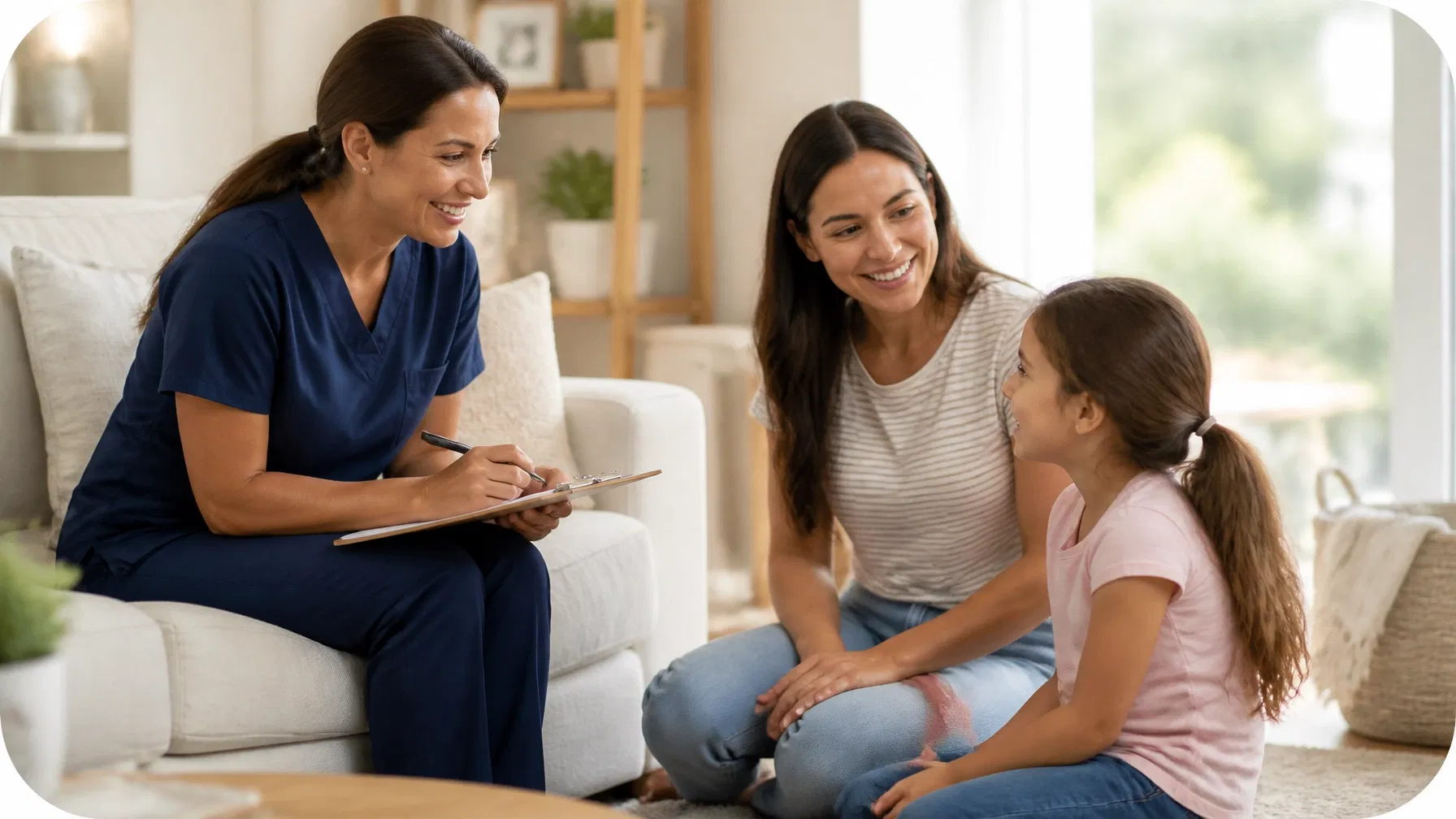
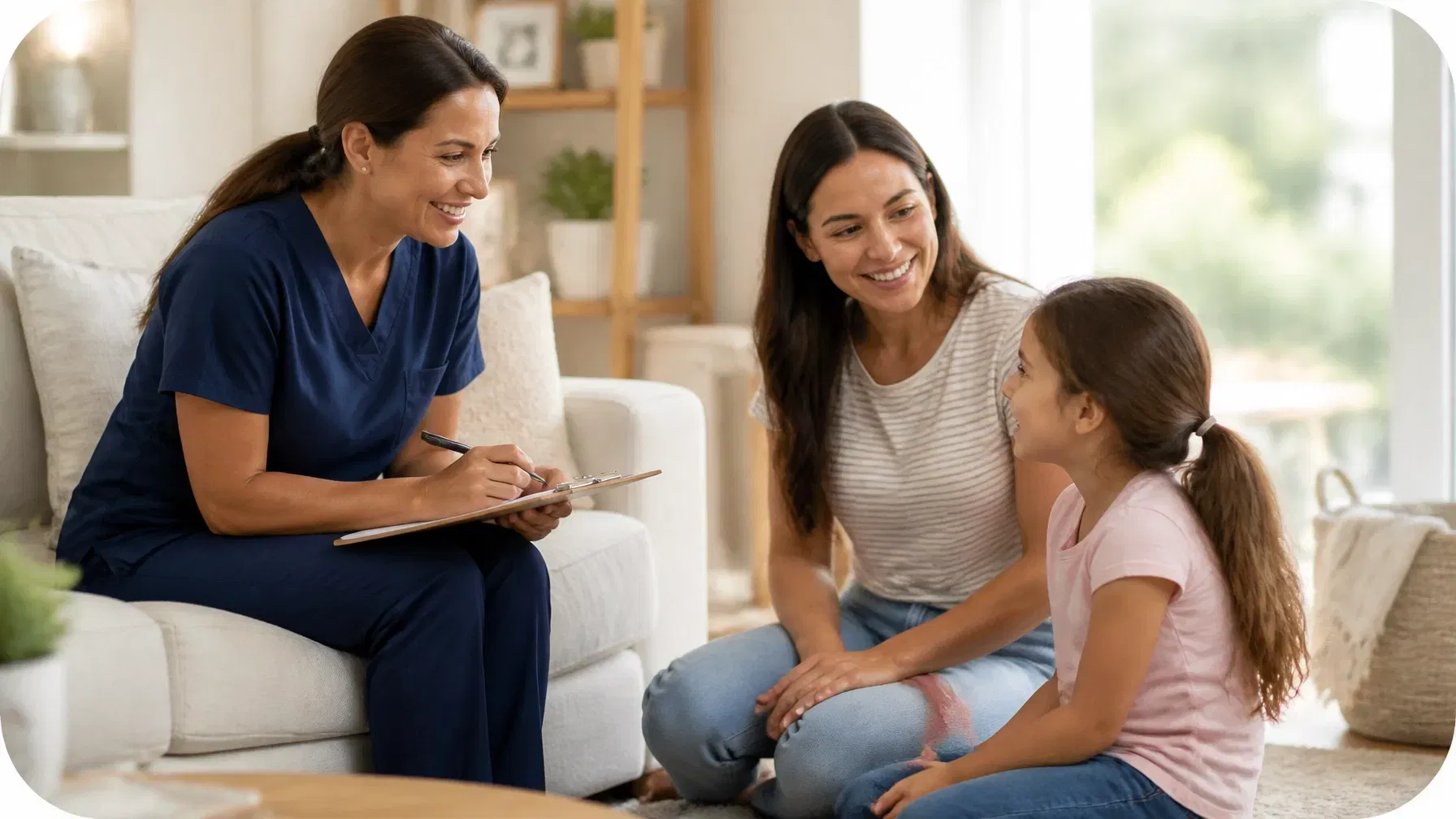
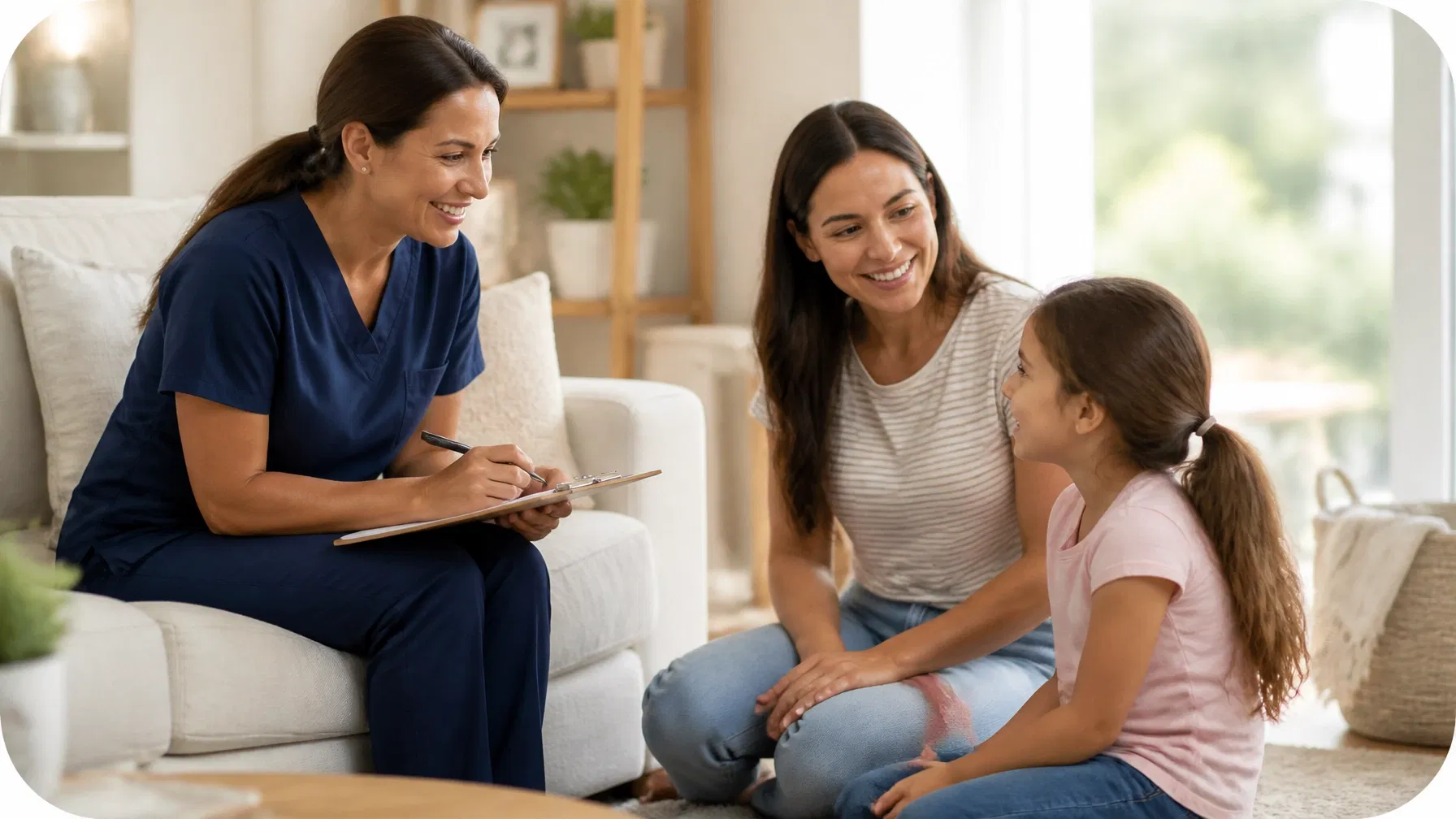
Onekap Healthcare Solution, LLC provides one-on-one consultations to understand a family’s needs and discuss caregiver matching and a customized care plan. Depending on the child’s needs, plan and service eligibility, home health assistance may include:
- Skilled nursing and private duty nursing for eligible clinical care needs at home.
- Personal and companion care to assist with daily routines and provide supportive presence.
- Specialty care based on the child’s individual needs and the available care team.
- Care coordination and therapy support to help families navigate care routines and communicate with providers.
- Family training and advocacy to help parents understand care plans and communicate their child’s needs.
- Medical supply management to support organization of relevant supplies.
- OneKap Express non-emergency medical transportation for eligible, planned transportation needs. It is not emergency transport.
Learn more about Onekap services and OneKap Express. Services and staffing depend on the child’s needs, care plan, eligibility and availability.
Understanding the GAPP program
Georgia’s Pediatric Program (GAPP) is a Medicaid program that provides certain in-home services to eligible medically fragile children with multiple-system diagnoses. Depending on program approval and medical necessity, services may include skilled nursing and personal-care support. Paraplegia alone does not establish GAPP eligibility or guarantee a particular service or number of hours.
Families should confirm current requirements, Medicaid eligibility and authorization procedures with Georgia Medicaid or a GAPP provider agency. The state’s Georgia Medicaid waiver programs page describes GAPP and directs families to contact a provider agency to apply. GAPP approvals and services are subject to program rules and individual review.
When asking about eligibility, gather the child’s current medical records, care plan, provider orders and documentation of daily support needs. Ask the agency to explain which services may be requested, what information is required and how the review process works. GAPP services described here are in-home supports; families should discuss any separate school-based needs with the child’s school and care team.

4. Support Resources
National
United Spinal Association
Provides information, peer support and resources for wheelchair users and their families.
Website: unitedspinal.org
Phone: (800) 962-9629
Georgia
Georgia Wheelchair Sports Association
Listed in the OneKap Parents & Caregivers Supportive Resource Guide as a resource for wheelchair sports and recreation.
Website listed in the guide: gwsa.org
Phone listed in the guide: (404) 541-9060
At the time this article was prepared, the listed website displayed a domain resale page. Call the number first and verify current organization details before relying on the website.
5. Plan the Next Step
Supporting a child with paraplegia at home involves more than arranging daily care. It can include therapy, accessibility, social participation and coordination among family members and professionals. Needs may change as a child grows, so review the plan with the child’s care team and ask questions when routines or equipment need attention.
If you are exploring pediatric home health care, private duty nursing, skilled nursing at home or in-home caregivers, contact Onekap to discuss your family’s needs. Request a one-on-one consultation at www.onekap.com, call 770-800-6603 or email info@onekap.com.