At Onekap Healthcare Solution, LLC, we understand that inviting a healthcare professional into your home is a significant transition. For families managing medically complex conditions or participating in the Georgia Pediatric Program (GAPP), the presence of a skilled nurse is not merely a clinical requirement; it is a foundational component of the household’s daily operations. We prioritize transparency and professional reliability to ensure that every family feels secure in the care their loved ones receive.
This guide provides a detailed overview of the operational standards and clinical protocols our caregivers follow during a typical shift. By outlining the "day in the life" of a Onekap caregiver, we aim to provide families with a clear understanding of the high-quality, professional support that characterizes our service.
The Morning Transition: Shift Report and Safety Protocols
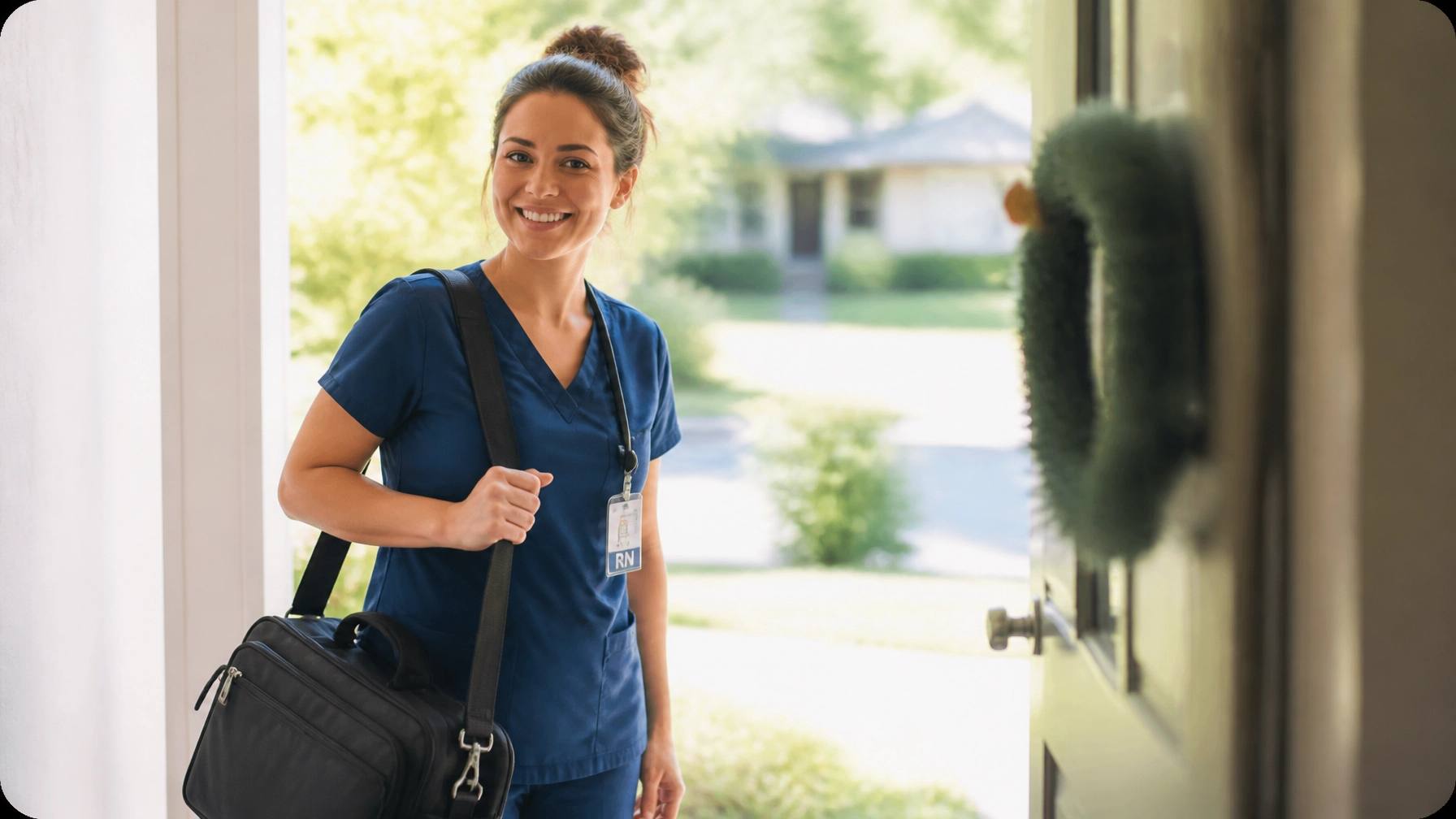
The daily cycle of care begins with a formal transition of responsibility. When a Onekap skilled nurse arrives at your residence, the initial priority is the "shift report." This is a critical period of information exchange between the caregiver and the family or the outgoing nurse. We ensure that every detail of the patient’s status over the previous hours is documented and communicated.
This report includes:
- Vital sign trends: Any fluctuations in heart rate, oxygen saturation, or temperature.
- Behavioral observations: Changes in mood, responsiveness, or sleep patterns.
- Feeding and medication updates: Confirmation of the last doses administered and the patient’s tolerance to nutritional intake.
- New physician orders: Reviewing any adjustments to the medical plan of care.
Immediately following the report, we conduct a comprehensive environmental safety check. Our caregivers verify that all emergency equipment, such as oxygen tanks, suction machines, and backup tracheostomy tubes, is present, functional, and easily accessible. This proactive approach is a standard requirement for maintaining a safe home care environment.
Clinical Precision: The Comprehensive Morning Assessment

Once the transition is complete, our nurses perform a thorough head-to-toe clinical assessment. This is a technical process designed to establish a baseline for the day and identify any potential medical issues before they escalate.
Our assessment protocols often utilize the Pediatric Assessment Triangle (PAT), focusing on:
- Appearance: Monitoring neurological status, muscle tone, and engagement.
- Work of Breathing: Assessing respiratory rate, lung sounds, and the functionality of any mechanical ventilation or oxygen delivery systems.
- Circulation: Evaluating skin color, temperature, and perfusion.
For our GAPP clients, this assessment is integral to maintaining the medical necessity documentation required by the program. We ensure that every clinical observation is recorded with the precision necessary for institutional compliance and physician review.
Integrating Into the Family Routine: Customized Care Plans
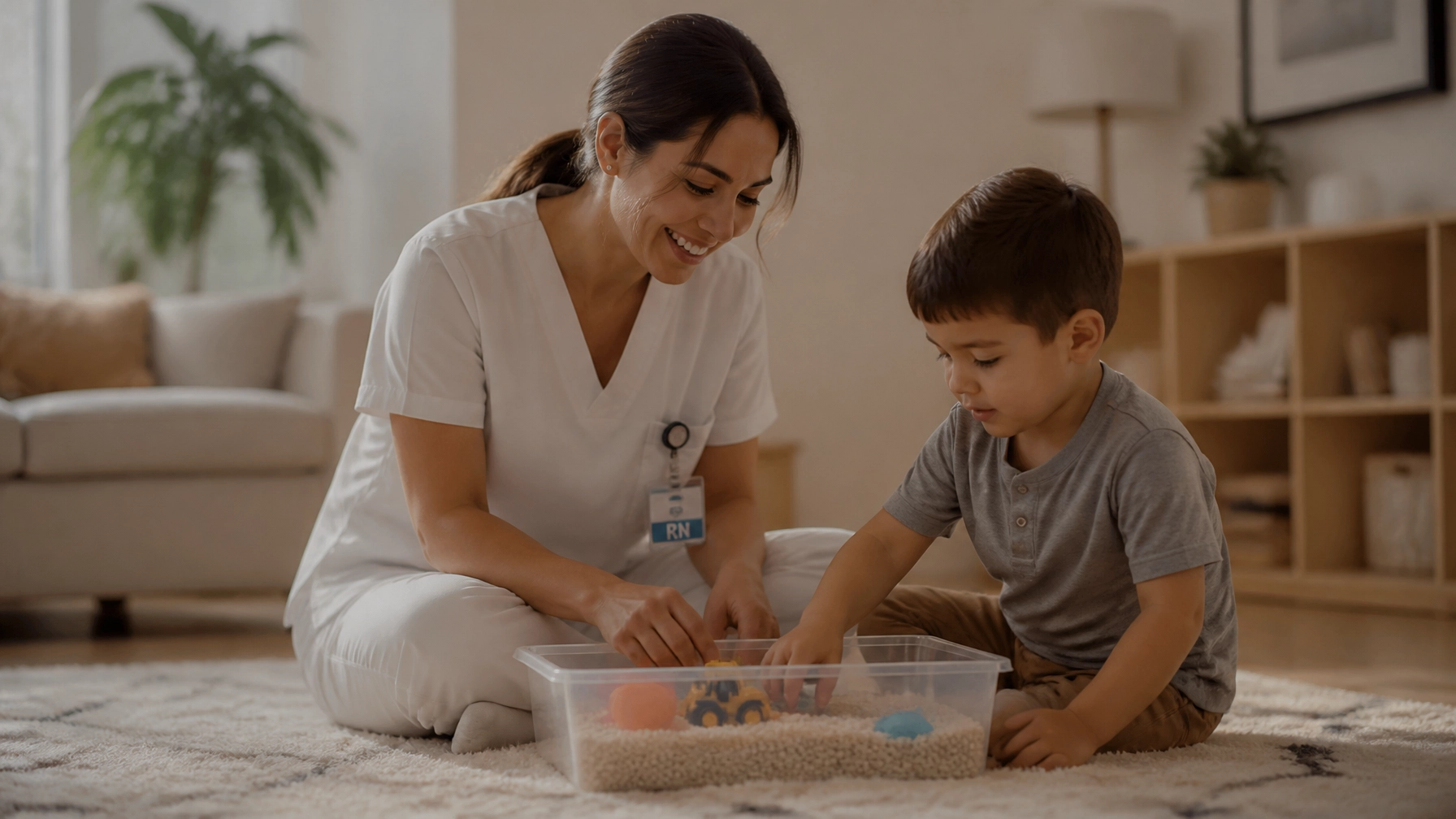
One of our primary USPs is the creation of highly customized care plans. We recognize that while clinical needs are paramount, they must be integrated into the unique rhythm of your home. Whether a child is attending school, participating in therapy sessions, or engaging in developmental play, our caregivers adapt their protocols to support these activities.

A typical midday routine may include:
- Medication Administration: Precise dosing and timing according to physician orders.
- Complex Interventions: Managing G-tube feedings, tracheostomy care, or ventilator settings with professional accuracy.
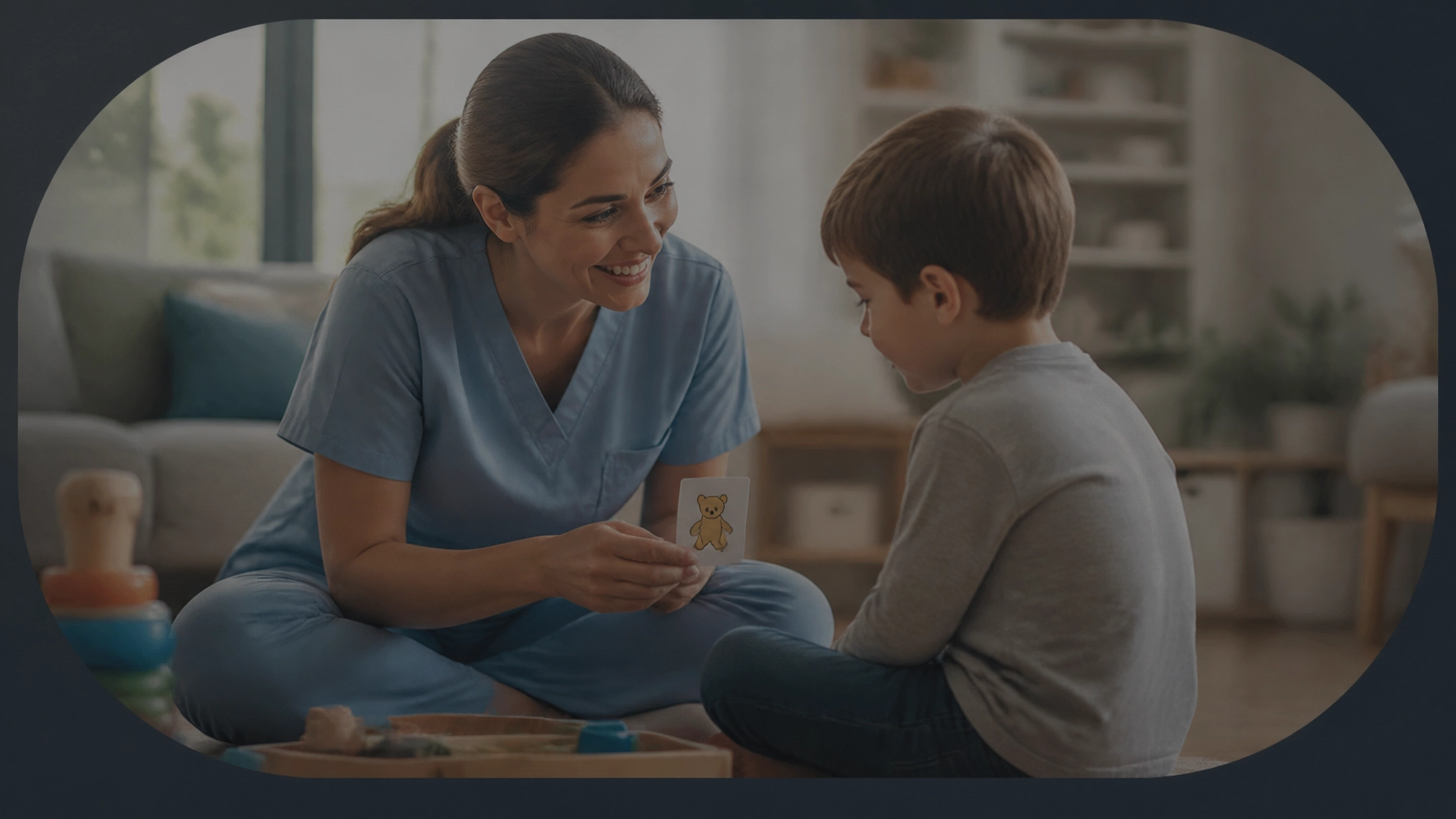
- Therapeutic Support: Assisting with physical or occupational therapy exercises as outlined in the patient’s multidisciplinary care plan.
- Behavioral Health Integration: For patients requiring behavioral support, our caregivers implement established strategies to promote emotional stability and developmental progress.
By maintaining a consistent routine, we help reduce the stress associated with complex medical needs, allowing families to focus on their own well-being and daily responsibilities.
The One-on-One Matching Process: Ensuring the Right Connection
We believe that the efficacy of home healthcare is significantly enhanced when there is a strong professional rapport between the caregiver and the family. Our one-on-one consultation process is designed to match clients with skilled professionals who not only possess the required clinical expertise but also align with the family’s communication style and household environment.

This matching process considers:
- Clinical Specialization: Ensuring the nurse has specific experience with the patient’s equipment or condition (e.g., ventilator dependence or seizure disorders).
- Scheduling Reliability: Providing consistent coverage to maintain the stability of the home environment.
- Professional Compatibility: Facilitating a relationship built on mutual respect and clear communication.
Our commitment to rapid staffing means that we work diligently to minimize gaps in care, ensuring that your family has the support it needs when it needs it most.
Specialized Support for GAPP Families
For many of our clients, navigating the Georgia Pediatric Program (GAPP) is a vital part of their healthcare journey. We function as a GAPP-approved provider, which means our nursing staff is trained to meet the specific regulatory and clinical standards mandated by the state.
We assist families by:
- Maintaining Documentation: Ensuring all nursing notes and assessments meet the rigorous requirements for GAPP reimbursement and authorization renewals.
- Navigating Transitions: Supporting families as their children move through different stages of growth and medical needs.
- Providing Advocacy: Acting as a clinical partner to ensure the patient’s medical necessity is clearly communicated to case managers and state agencies.
The Evening Wrap-Up: Documentation and Continuity
As the shift concludes, our caregivers prioritize continuity of care through meticulous documentation and a final handoff report. We believe that professional accountability ends only when the next caregiver, whether a family member or another nurse, is fully briefed and prepared.
The end-of-shift protocol includes:
- Final Vital Signs: Ensuring the patient is stable before the transition.
- Equipment Maintenance: Cleaning and restocking supplies so the home remains organized and ready for subsequent care.
- Detailed Charting: Completing a comprehensive log of all interventions, patient responses, and communications with healthcare providers.
This structured approach ensures that there is never a "lapse" in the quality of care, regardless of who is physically present in the home.
Empowerment and Hope: Our Mission in Action

At Onekap Healthcare Solution, LLC, our mission is to provide more than just medical services; we aim to restore a sense of normalcy and empowerment to the families we serve. By handling the complex clinical requirements of home care, we allow parents to return to their primary roles, reducing burnout and fostering a healthier family dynamic.
We view every patient as a "healthcare hero," and our caregivers are the dedicated partners who help them navigate their challenges with dignity and professional skill.
Schedule Your Consultation Today
If your family is in need of skilled nursing, personal home care, or GAPP-authorized support, we invite you to experience the Onekap difference. Our team is ready to provide the professional, compassionate, and highly customized care your loved ones deserve.
Take the first step toward professional home health support.
Contact Onekap Healthcare Solution, LLC to schedule your one-on-one consultation. Let us help you build a care plan that prioritizes your family's safety, privacy, and peace of mind.
For immediate inquiries, please contact our Atlanta office at 770-800-6603 or email us at info@onekap.com.