Selecting the appropriate level of support for a loved one is a critical decision that impacts both health outcomes and quality of life. Families often find themselves navigating a complex landscape of home health assistance, attempting to distinguish between medical and non-medical support. At Onekap Healthcare Solution, LLC, we recognize that the distinction between skilled nursing at home and a personal care assistant is fundamental to creating a safe and effective care environment.
This guide provides a technical analysis of these two distinct care tiers to assist families in determining the optimal path for their specific needs.
Understanding Personal/Companion Care (Non-Medical)
Personal and companion care is designed to support the activities of daily living (ADLs) and instrumental activities of daily living (IADLs). This tier of service is primarily non-medical and focuses on maintaining the client's independence and safety within their residence.
Core Functions of a Personal Care Assistant
Personal care assistants (PCAs) or in-home caregivers provide essential support that does not require a clinical license. Their primary objective is to manage the domestic and physical challenges that often arise with aging, disability, or recovery.
- Hygiene and Personal Care: We provide comprehensive assistance with bathing, dressing, and grooming to ensure optimal skin integrity and personal dignity.
- Mobility and Safety: Our staff facilitates safe transfers from beds to chairs and assists with ambulation to prevent fall-related injuries.
- Nutritional Support: We manage feeding assistance, including specialized support for those with restricted diets.
- Medication Management: While PCAs do not administer clinical dosages, we provide medication reminders and oversight to ensure adherence to prescribed schedules.
- Companionship and Supervision: This service is often utilized as respite care services to prevent caregiver burnout, providing families with reliable supervision for their loved ones.

Defining Skilled Nursing Services (Medical)
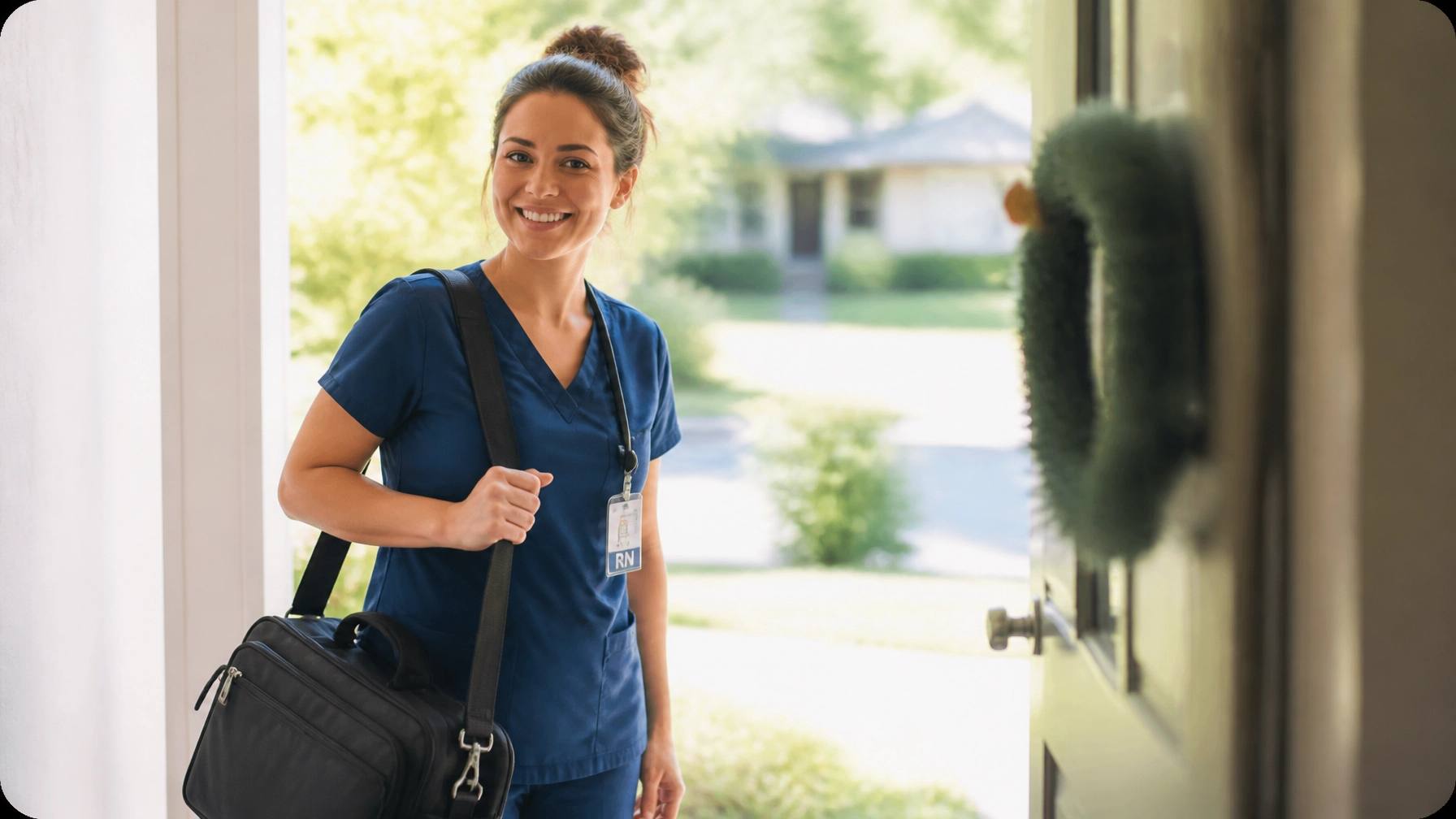
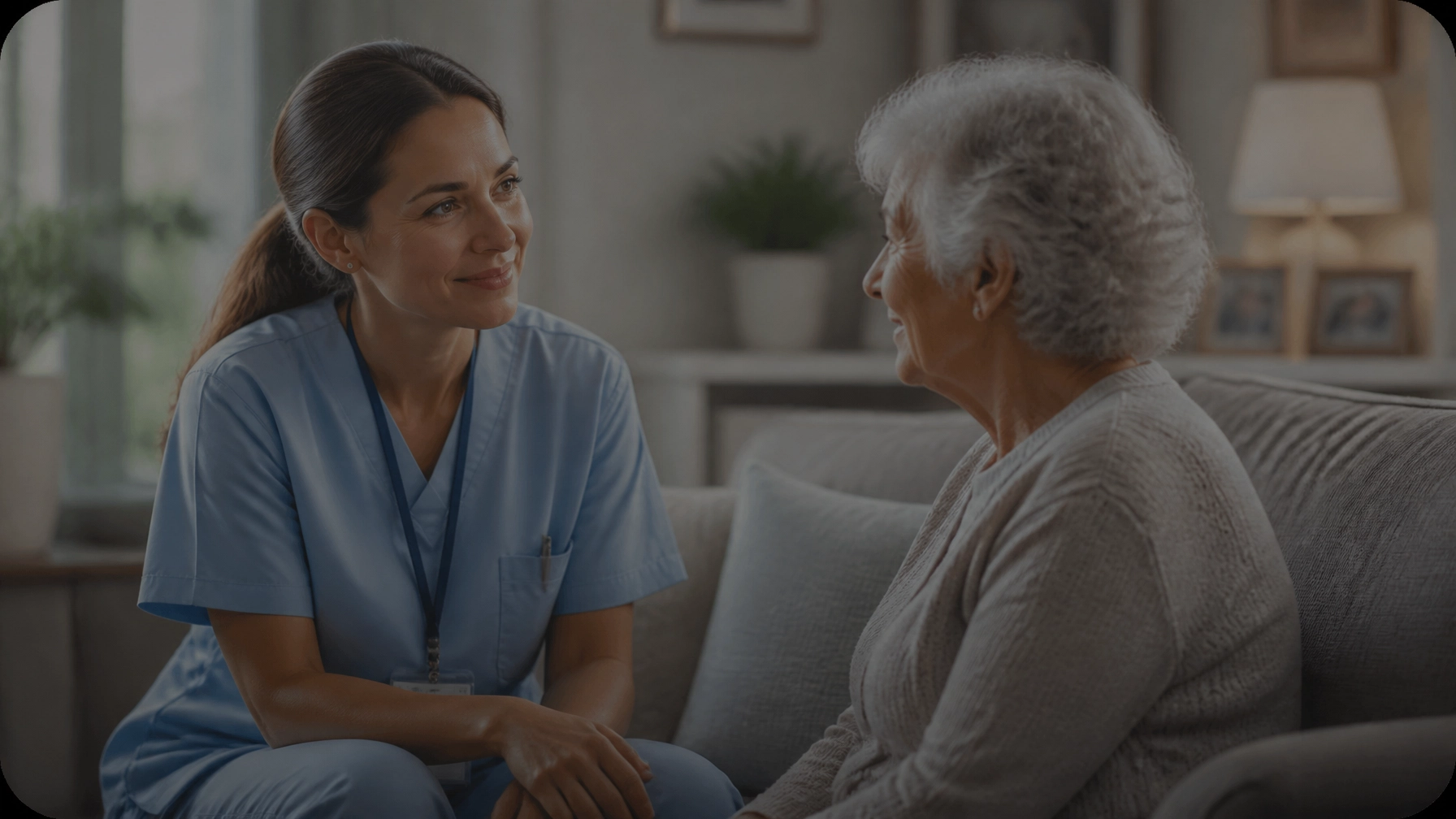
Skilled nursing at home refers to high-level medical care provided by licensed professionals, such as Registered Nurses (RNs) or Licensed Practical Nurses (LPNs). This level of care is required when a patient’s condition necessitates clinical intervention that exceeds the scope of a non-medical caregiver.
Clinical Services and Technical Procedures
Our skilled nursing services are structured to manage complex health requirements that typically occur after hospital discharge or during the management of chronic conditions.
- In-Home Skilled Nursing: This includes the administration of medications, vital sign monitoring, and the management of medical equipment.
- Specialty Care Protocols: We provide specialized private duty nursing for wound care, infusion therapy, and post-surgical recovery.
- G-Tube and Tracheostomy Management: Our nurses are trained in the technical maintenance and cleaning of feeding tubes and tracheostomy sites.
- Chronic Condition Care: We implement long-term care plans for patients with diabetes, respiratory illnesses, or cardiovascular conditions.
- Behavioral Health Support: We offer in-home behavioral health support to manage neurological or psychiatric conditions within a familiar environment.

Comparative Analysis: Medical vs. Non-Medical Support
The following table outlines the primary differences to facilitate a binary decision-making process for families evaluating home care services for seniors and individuals with disabilities.
| Feature | Personal Care Assistant | Skilled Nursing at Home |
|---|---|---|
| Primary Focus | Daily living and domestic safety | Medical treatment and clinical monitoring |
| Provider Credentials | Trained non-medical professionals | Licensed RNs or LPNs |
| Physician Involvement | Not typically required for oversight | Operates under physician-ordered plans |
| Scope of Tasks | Bathing, dressing, transfers, light meals | Injections, wound care, IV therapy, meds |
| Target Requirement | Functional limitations (ADLs) | Clinical instability or medical necessity |
Specialized Pediatric Care: The GAPP Program
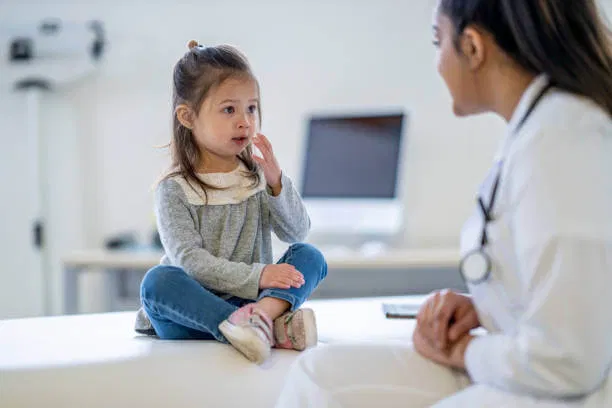
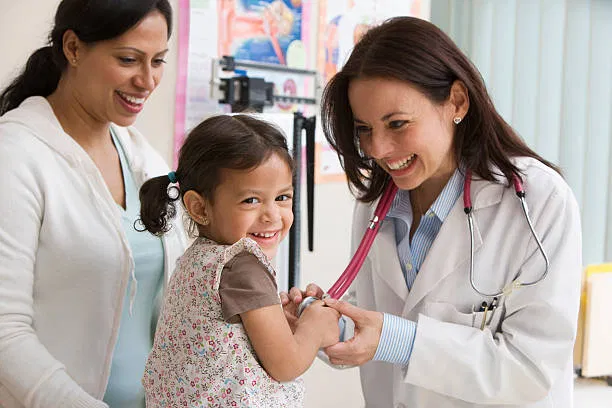
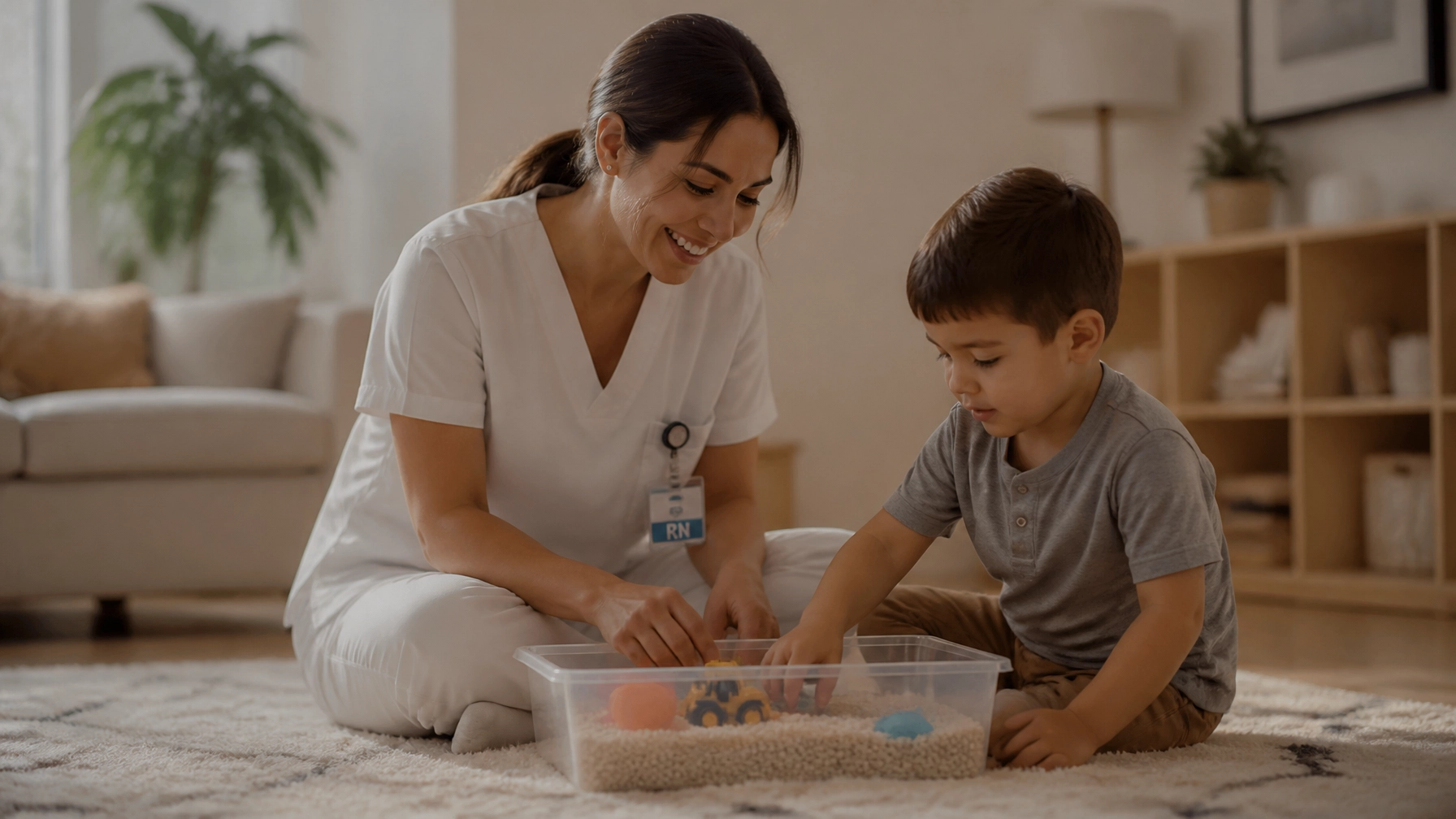
For families with medically fragile children, the requirements for pediatric home health care are distinct. We participate in the Georgia Pediatric Program (GAPP), a Medicaid-funded initiative designed to provide private home health care for children who require more than basic personal care.
Through GAPP, we offer In-School Skilled Nursing, ensuring that children with complex medical needs can attend educational institutions with the support of a dedicated nurse. Our pediatric services emphasize both clinical skill and the creation of a supportive environment for the entire family unit.

Integrated Logistics and Medical Supply Management
Effective home healthcare requires more than just personnel; it requires a robust logistics framework. We have integrated technical solutions to streamline the delivery of care and supplies.
OneKap Express and Transportation
To address the logistical challenges of home health, we utilize OneKap Express, our dedicated medical courier and transport service. This division ensures that clinical outcomes are not hindered by logistical barriers.
- Medical Supply Management: We facilitate the procurement and delivery of necessary medical consumables directly to the home.
- Medical Courier Services: This includes the rapid delivery of medications and laboratory samples.
- Non-Emergent Medical Transportation: We provide specialized transport for patients to and from medical appointments, ensuring safety and punctuality through real-time tracking systems.

Selecting the Correct Tier of Care
The decision-making process should be guided by a clear assessment of the patient's medical stability and functional capacity.
- Assess Clinical Needs: Does the patient require wound dressing, injections, or monitoring of a complex condition? If yes, Skilled Nursing is the required tier.
- Assess Functional Needs: Does the patient require assistance with hygiene, feeding, or mobility but remains medically stable? If yes, a Personal Care Assistant is the appropriate choice.
- Consider a Hybrid Approach: Many families utilize both tiers: skilled nursing for clinical procedures and PCAs for daily supervision: to provide a comprehensive care environment.
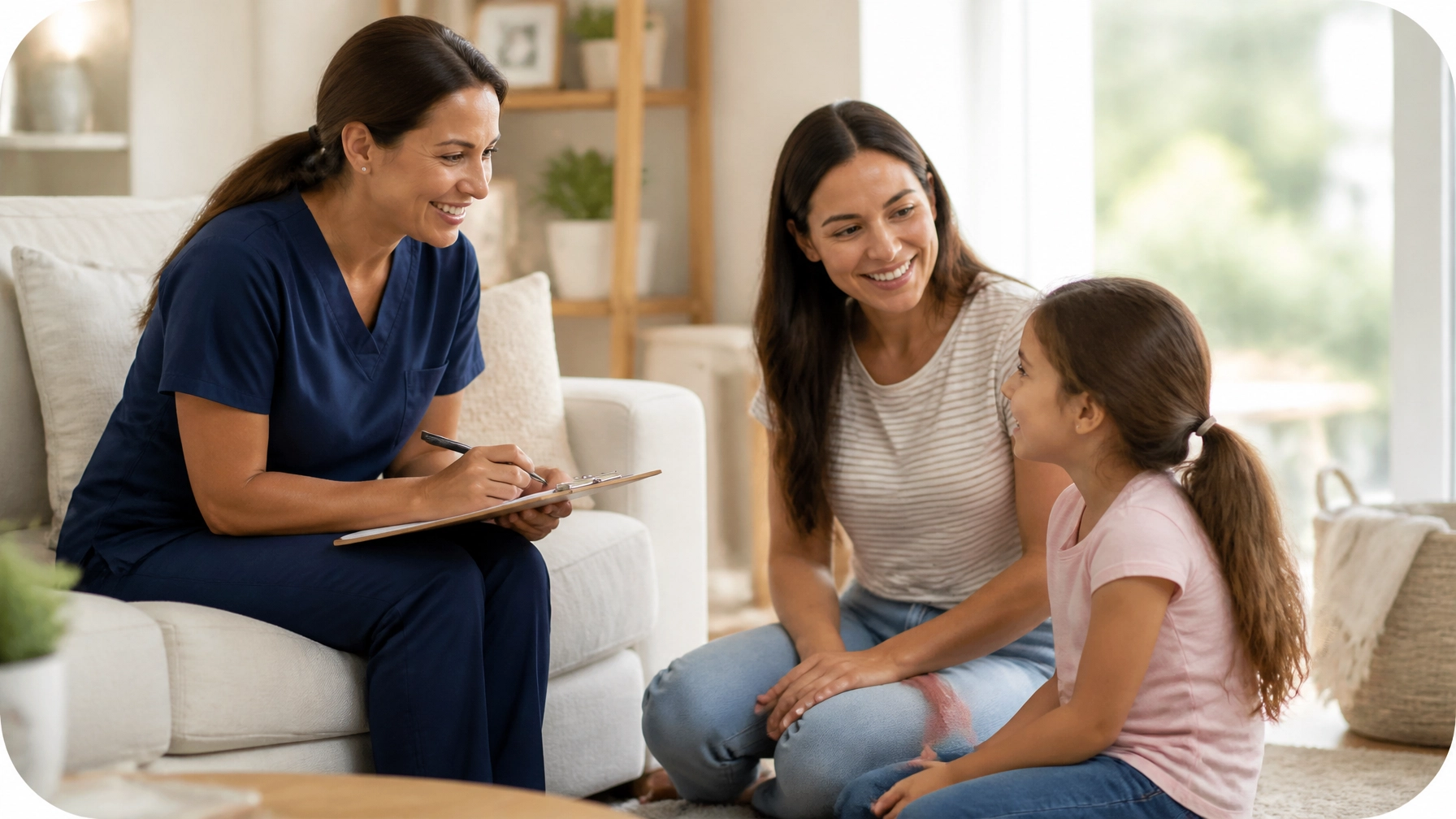
At Onekap Healthcare Solution, LLC, we utilize a customized caregiver matching process. Through our one-on-one consultations, we analyze your family’s specific requirements to create a tailored care plan that prioritizes privacy, comfort, and professional excellence.

Conclusion
Whether your family requires the clinical precision of skilled nursing or the essential support of a personal care assistant, the priority is to ensure a safe, high-quality care environment. Our commitment to rapid staffing and deep compassion ensures that every client receives the specific level of care mandated by their condition.
Contact Onekap Healthcare Solution, LLC today for a one-on-one consultation to develop your customized care plan.